Understand your pain.
Own your recovery.
Gabriel Radu, DO · Board-Certified, Physical Medicine & Rehabilitation · Interventional Pain Management
Plain-language, illustrated guides to how pain works, how the procedures that treat it actually happen, and the exercises that keep you moving.
More treatment. Better recovery?
The latest rehabilitation evidence, explained for curious patients and deepened for clinical and board study. Each edition links the research, explains its limitations and adds clinical study notes.
Read the magazine → · Explore the source desk
Outer Hip Pain: What the Exercise Trials Show
Pain over the bony point of the hip is usually a gluteal tendon problem, not bursitis. In a 204-person randomized trial, eight weeks of load-management education plus hip-abductor exercise beat a cortisone injection on how people rated their own recovery, at eight weeks and still at a year. What the exercise actually was, which stretches the winning program left out, and where injections fit, with illustrated exercise figures.
Read the article →What brings you here today?
Explore the guides
Search everything →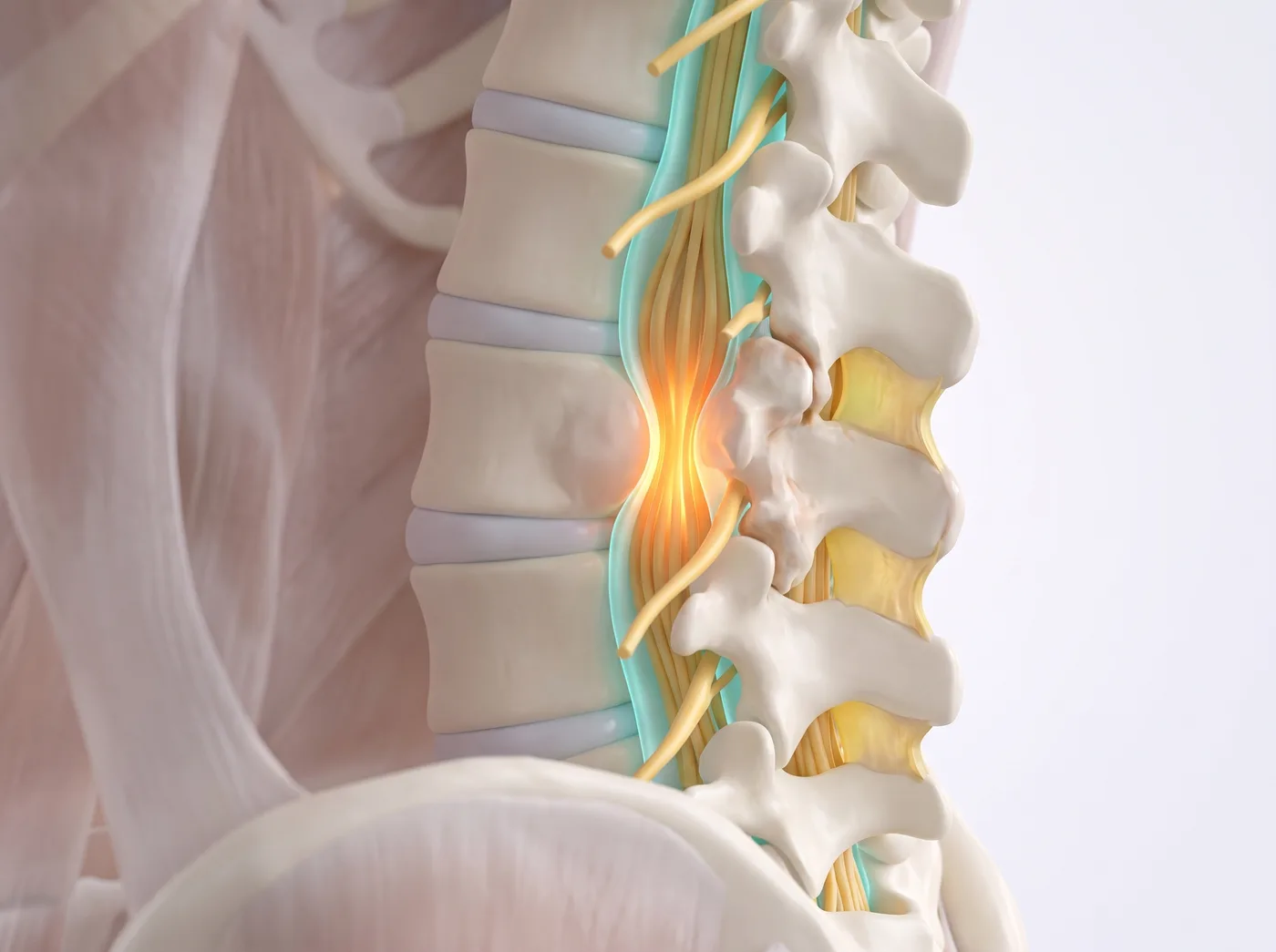
Conditions & Recovery Plans
37 pain conditions, each with a 3-phase exercise plan, curated PT videos and the research behind it.
Find your condition →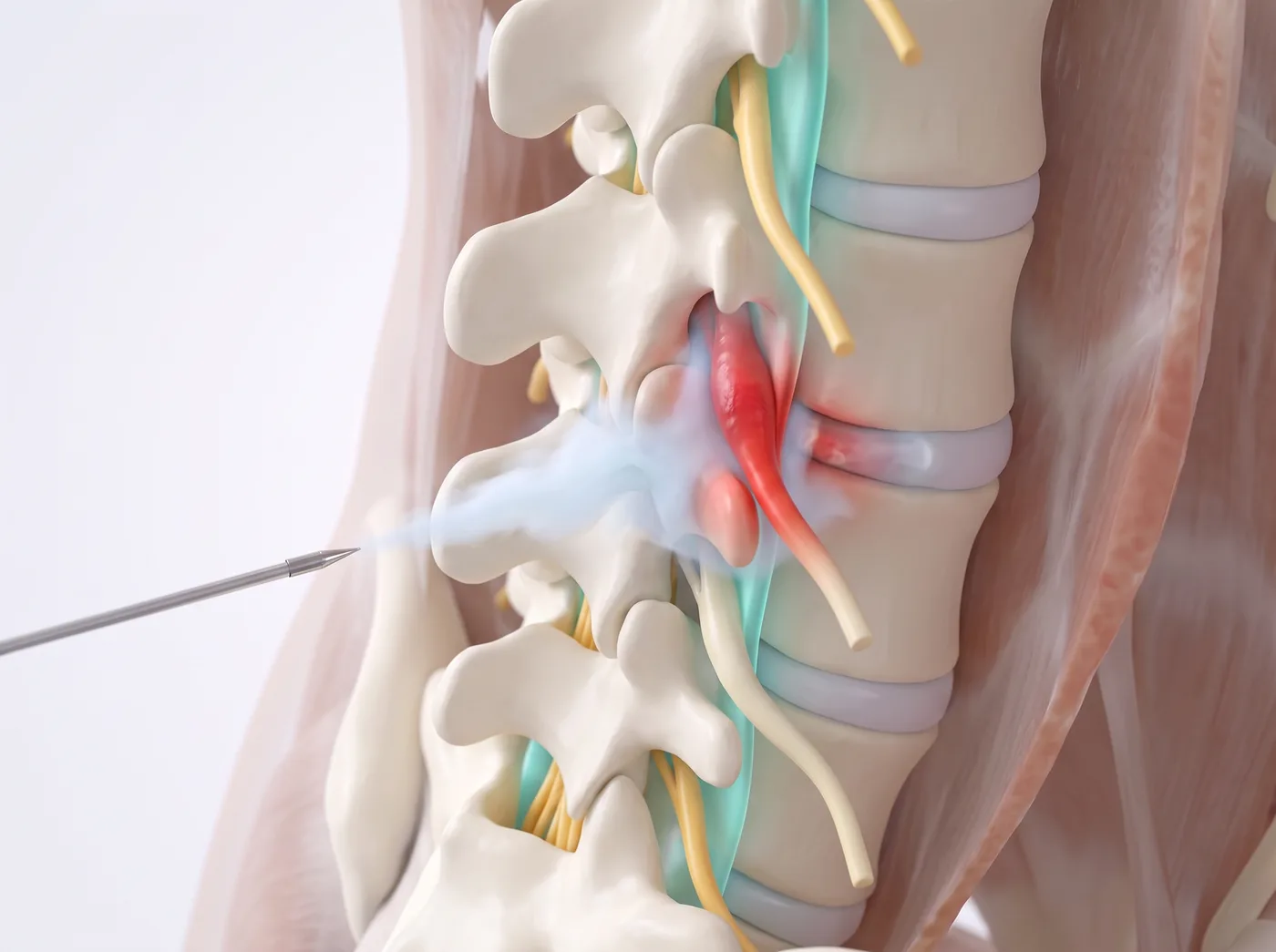
The Complete Procedure Reference
52 interventional options, from epidurals to spinal cord stimulation, illustrated with the evidence.
See every option →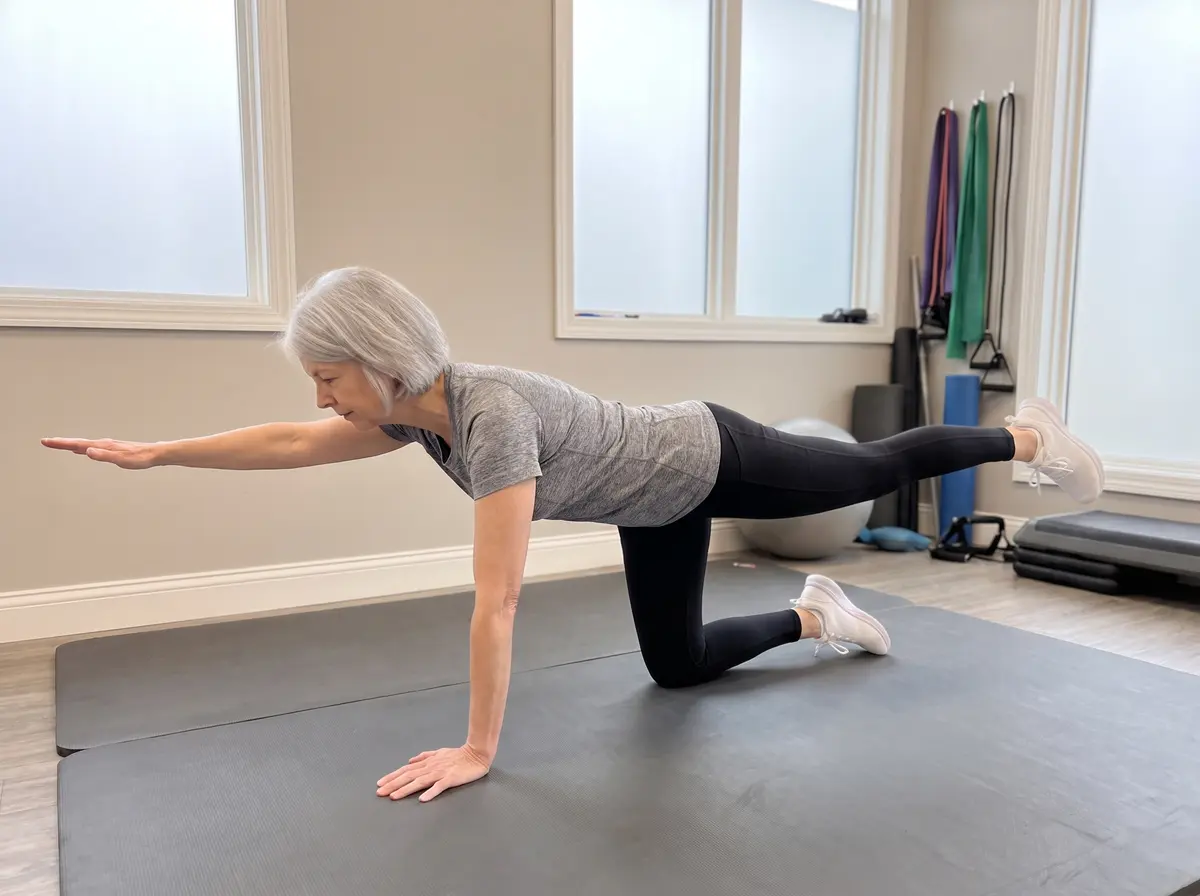
Exercise Library & Program Builder
64 exercises in 8 body areas: photo, demo video and instructions. Tick the ones you want and print your program.
Start moving →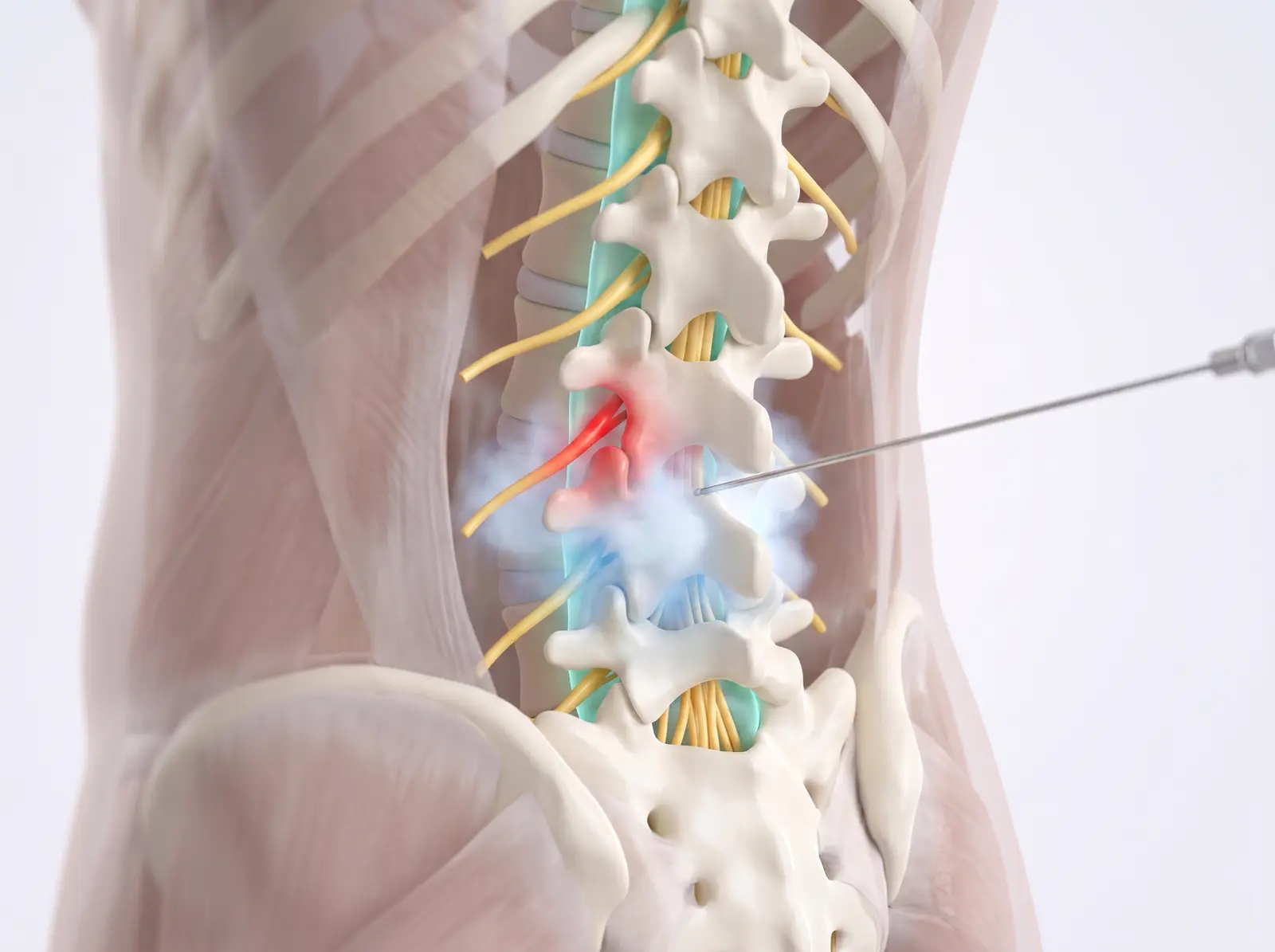
Pain Care, Explained
Nerve pain vs. joint pain, and visual guides to epidurals, nerve ablation, SI joint injections and stimulation.
See the guides →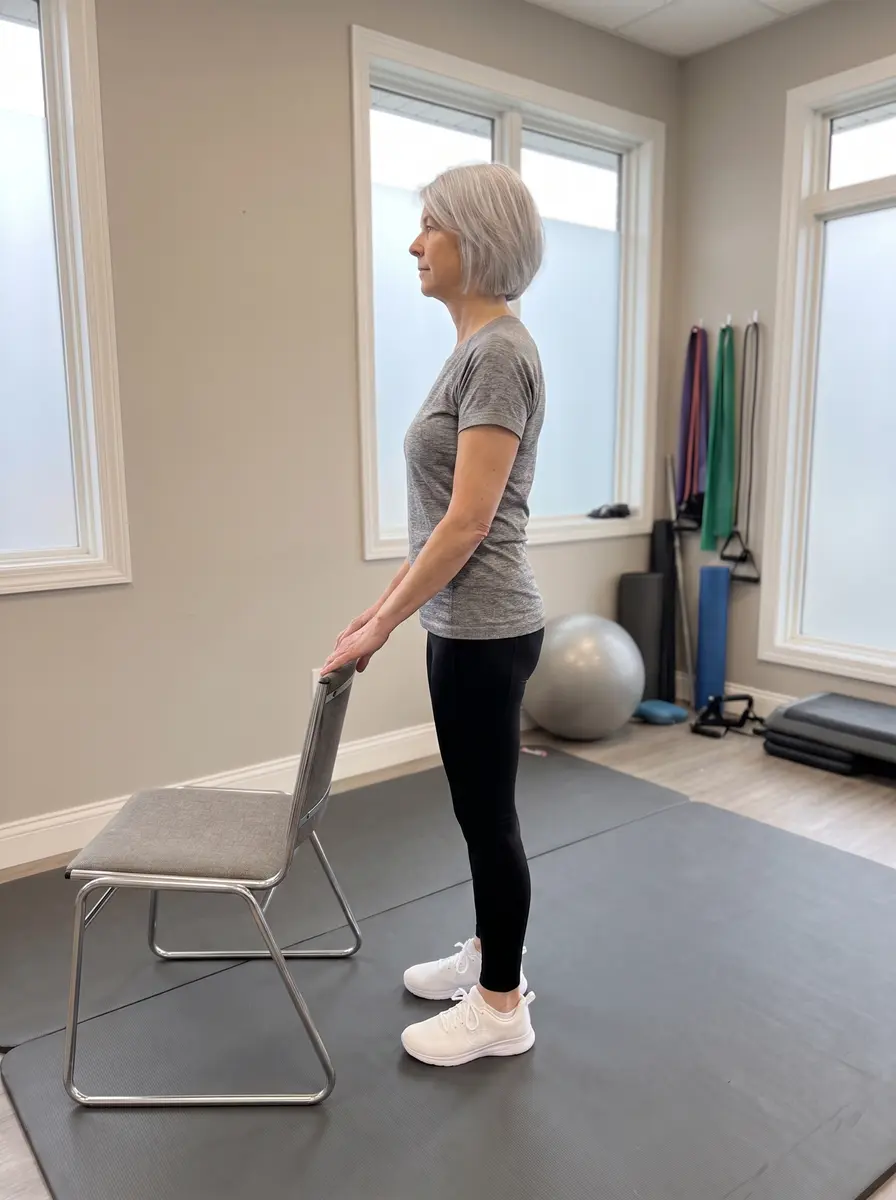
Braces & Supports
What each brace and assistive device does, when it helps, and what to look for.
Find your fit →What is physiatry?
Physiatry — physical medicine & rehabilitation (PM&R) — is the medical specialty focused on function: restoring what pain, injury, or illness has taken away. Rather than treating a scan, a physiatrist treats the whole person, combining precise diagnosis, image-guided procedures, medications, therapeutic exercise, and the right equipment so you can move, work, and live comfortably again.
A good rule from our clinic: nerves need calming, joints need strengthening, and knowing which one is driving your pain is where every good plan starts. Learn the difference →
For clinicians & trainees
The professional half of this site is a complete PM&R board-review platform: 12,937 practice questions, flashcards, clinical vignettes, an interactive knowledge map, and study tools.